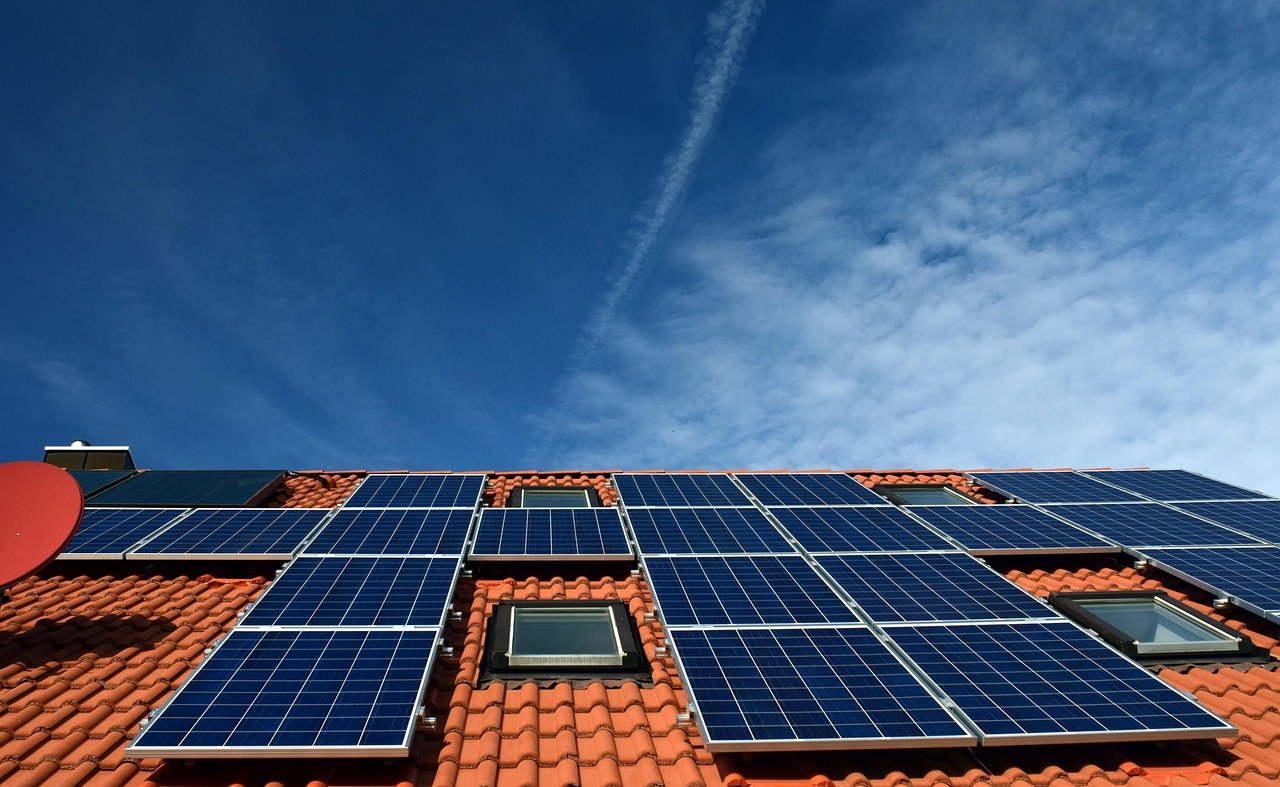
BIPV Solar Modules: Transforming Buildings into Sustainable Energy Producers

Modern architecture is evolving rapidly, and sustainability has become a central focus in building design. One of the most innovative advancements supporting this shift is the use of BIPV solar modules. Unlike conventional solar systems that are mounted onto completed structures, these integrated solutions become part of the building itself. They combine renewable energy generation with architectural functionality, making them an excellent choice for projects that prioritize both performance and aesthetics.
As cities expand and energy demands increase, architects, developers, and property owners are looking for smarter construction materials. BIPV solar modules offer an efficient way to generate clean electricity while maintaining a sleek and modern appearance.
What Are BIPV Solar Modules?
Building-Integrated Photovoltaics (BIPV) refers to photovoltaic materials that replace traditional building components while simultaneously generating electricity. Instead of installing separate solar equipment, these modules become part of roofs, facades, skylights, canopies, or curtain walls.
Because they perform dual functions, they help reduce material usage while contributing to renewable energy production. This integration creates buildings that are both energy-efficient and visually appealing.
Key Characteristics
Some notable features include:
- Dual-purpose construction material
- Clean and seamless architectural appearance
- Renewable electricity generation
- Reduced dependence on external power sources
- Improved building efficiency
These advantages make BIPV solar modules suitable for both commercial and residential developments.
How BIPV Solar Modules Work
The technology behind BIPV solar modules is similar to traditional photovoltaic systems. Solar cells capture sunlight and convert it into direct current (DC) electricity. This electricity can then be transformed into alternating current (AC) for everyday building operations.
Since the modules are integrated into the building envelope, they continuously perform two important roles:
Structural Function
The panels replace conventional construction materials, serving as roofing, exterior cladding, or glazing.
Energy Generation
At the same time, they harness sunlight to produce renewable electricity throughout the day.
This combination maximizes the value of every installed surface.
Benefits of BIPV Solar Modules
The growing popularity of BIPV solar modules stems from their ability to deliver multiple benefits without compromising architectural quality.
Enhanced Building Design
Traditional solar installations may alter a building’s appearance. Integrated photovoltaic modules create a more refined and uniform finish, allowing designers greater flexibility.
Improved Energy Efficiency
Generating electricity directly from sunlight helps reduce overall energy consumption from external sources. Buildings become more self-sufficient while lowering their environmental impact.
Better Use of Building Space
Instead of requiring additional rooftop equipment, BIPV solar modules utilize surfaces that already exist, making efficient use of available space.
Long-Term Sustainability
By combining renewable energy production with durable construction materials, integrated systems support environmentally responsible building practices for many years.
Common Applications
The versatility of BIPV solar modules allows them to be incorporated into various parts of a building.
Roof Systems
Roofs receive abundant sunlight, making them ideal locations for integrated photovoltaic solutions.
Building Facades
Vertical installations generate electricity while providing an attractive architectural finish.
Skylights
Transparent photovoltaic materials allow natural daylight to enter while producing renewable energy.
Curtain Walls
Modern commercial buildings often integrate photovoltaic glass into curtain wall systems, creating visually impressive structures that also generate electricity.
Canopies and Walkways
Covered outdoor spaces can provide shade while producing clean energy throughout the day.
Design Considerations
Successful implementation requires careful planning during the design stage.
Building Orientation
Proper orientation allows maximum exposure to sunlight, improving electricity generation.
Climate Conditions
Local weather patterns influence system performance and should be considered when selecting installation locations.
Ventilation
Adequate airflow helps maintain efficient operating temperatures for photovoltaic materials.
Structural Integration
Since BIPV solar modules replace conventional building materials, coordination between architects, engineers, and construction teams is essential.
Environmental Advantages
Buildings account for a significant portion of global energy consumption. Integrating photovoltaic technology into construction materials helps reduce reliance on conventional energy sources.
Additional environmental benefits include:
- Lower greenhouse gas emissions
- Reduced fossil fuel dependence
- Increased renewable energy production
- Improved building sustainability
- Better long-term environmental performance
These contributions support greener urban development and responsible construction practices.
Future of BIPV Solar Modules
Advancements in photovoltaic technology continue to improve efficiency, durability, and design flexibility. Manufacturers are developing lighter materials, improved transparency, and enhanced energy conversion capabilities that make integration even easier.
As sustainable architecture becomes more common, BIPV solar modules are expected to play a major role in shaping energy-efficient buildings worldwide. Their ability to merge functionality with clean energy generation positions them as an important solution for future construction.
Conclusion
The demand for sustainable buildings continues to grow, encouraging innovative approaches that combine performance with environmental responsibility. BIPV solar modules offer an effective way to transform roofs, facades, skylights, and other structural elements into energy-generating surfaces without sacrificing architectural appeal.
By integrating renewable energy directly into the building envelope, BIPV solar modules improve energy efficiency, maximize available space, support sustainable construction, and contribute to a cleaner future. As technology advances and green building practices become increasingly important, integrated photovoltaic systems are set to become a defining feature of modern architecture.