Aluminum Composite Material: A Complete Guide to Features, Benefits, and Applications

Aluminum composite material has become one of the most trusted materials in modern construction and architectural design. Its unique combination of durability, lightweight performance, and visual appeal makes it suitable for a wide range of building applications. As construction projects continue to demand materials that balance strength with flexibility, aluminum composite material stands out as a practical solution.
Whether used for exterior cladding, interior decoration, partitions, or signage, aluminum composite material offers excellent performance while maintaining an attractive appearance. Architects, designers, and contractors value its versatility because it adapts to different project requirements without compromising quality.
This guide explores the features, advantages, applications, and selection considerations of aluminum composite material, helping readers understand why it continues to play an important role in modern infrastructure.
What Is Aluminum Composite Material?
Aluminum composite material is a flat panel consisting of two thin aluminum sheets bonded to a non-aluminum core. This layered construction creates a product that combines the strength of aluminum with reduced weight and improved rigidity.
The engineered structure provides excellent dimensional stability while making fabrication, transportation, and installation easier than many conventional building materials.
Key Characteristics
Some of the most notable characteristics of aluminum composite material include:
- Lightweight construction
- High structural strength
- Smooth and attractive surface
- Excellent weather resistance
- Corrosion resistance
- Easy fabrication
- Low maintenance requirements
- Long service life
These qualities make aluminum composite material suitable for both commercial and residential projects.
Why Aluminum Composite Material Is Popular
The growing popularity of aluminum composite material is driven by its ability to meet modern construction demands. Designers appreciate its clean finish, while builders benefit from its ease of handling.
Unlike heavier construction materials, aluminum composite material reduces structural load without sacrificing durability. This helps simplify installation and supports efficient project execution.
Design Flexibility
One major advantage of aluminum composite material is its flexibility. It can be cut, bent, routed, folded, and shaped into various forms, allowing architects to create innovative building designs.
Its smooth finish also supports a wide variety of colors, textures, and decorative finishes, making it suitable for contemporary architectural styles.
Common Applications
The versatility of aluminum composite material allows it to be used across numerous industries and construction projects.
Exterior Building Cladding
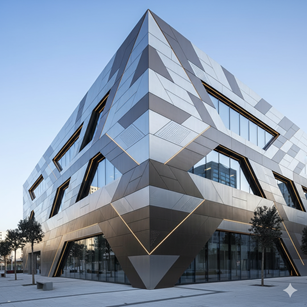
One of the most common applications of aluminum composite material is exterior wall cladding. It provides a modern appearance while protecting buildings from environmental conditions.
Interior Decoration
Inside buildings, aluminum composite material is frequently used for wall panels, partitions, decorative ceilings, and reception areas due to its clean finish and attractive appearance.
Commercial Spaces
Shopping centers, office buildings, educational institutions, transportation facilities, and public infrastructure often incorporate aluminum composite material because it combines aesthetics with durability.
Renovation Projects
Building renovation projects also benefit from aluminum composite material, as it can improve the appearance of older structures without adding significant weight.
Benefits of Aluminum Composite Material
Selecting aluminum composite material offers several practical advantages.
Excellent Durability
The material performs well under varying weather conditions, resisting corrosion, moisture, and environmental exposure. This contributes to long-lasting building performance.
Easy Maintenance
Regular cleaning is generally sufficient to maintain the appearance of aluminum composite material. Its smooth surface minimizes dirt accumulation and simplifies maintenance routines.
Lightweight Construction
Because aluminum composite material is lighter than many traditional construction materials, transportation and installation become more efficient while reducing structural stress.
Attractive Appearance
The sleek surface of aluminum composite material enhances the visual appeal of modern buildings and complements diverse architectural styles.
Factors to Consider Before Choosing Aluminum Composite Material
When selecting aluminum composite material, it is important to evaluate several factors.
Project Requirements
Every construction project has unique structural and design needs. Choosing the appropriate panel specifications helps achieve the desired performance.
Surface Finish
Different finishes can improve aesthetics while enhancing resistance to weather and environmental conditions.
Quality Standards
Consistent manufacturing quality contributes to reliable performance, dimensional accuracy, and long-term durability.
Installation Planning
Proper handling, storage, and installation practices help maximize the lifespan of aluminum composite material.
Future Outlook
As sustainable construction and modern architectural trends continue to evolve, aluminum composite material is expected to remain an important building solution. Ongoing improvements in manufacturing processes and material technology continue to enhance its durability, appearance, and performance.
The increasing demand for lightweight yet strong construction materials further supports the growing use of aluminum composite material across various infrastructure projects.
Conclusion
Aluminum composite material has transformed modern architecture by offering an ideal combination of strength, lightweight construction, durability, and design flexibility. Its adaptability across exterior and interior applications makes it one of the most practical choices for contemporary construction.
From commercial buildings to residential developments, aluminum composite material continues to deliver reliable performance while supporting innovative architectural designs. By understanding its features, benefits, and applications, project planners can make informed decisions that contribute to efficient construction and long-term value.