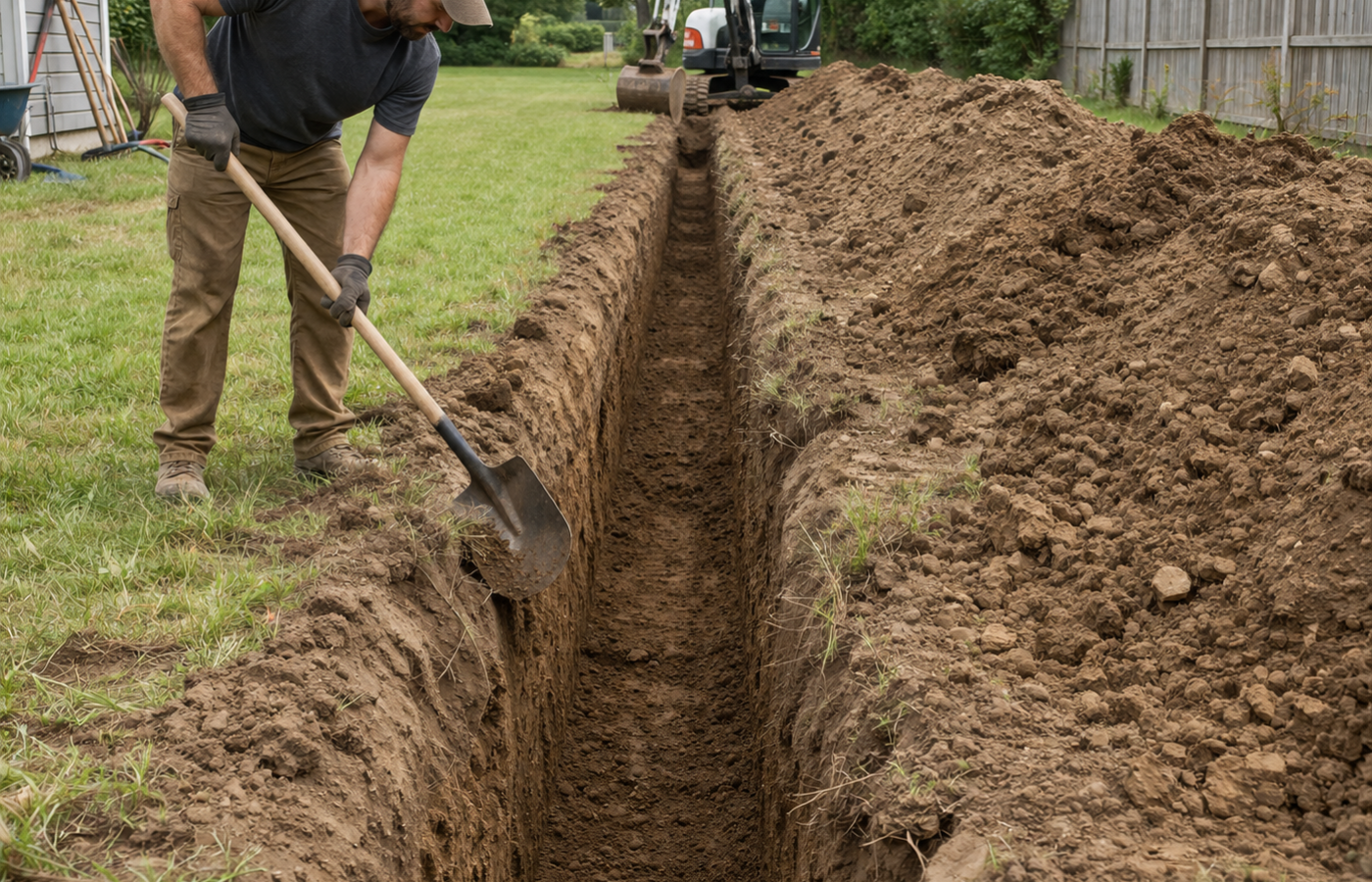
Dig Trench: A Complete Guide to Planning, Safety, and Successful Excavation

When preparing land for construction, landscaping, drainage, or utility installation, knowing how to dig trench correctly is essential. A well-planned trench creates a stable foundation for underground systems while reducing safety risks and preventing costly mistakes. Whether the project involves irrigation lines, electrical conduits, water pipes, or drainage systems, understanding the proper process to dig trenches can improve efficiency and long-term performance.
Every project begins with careful planning. Soil conditions, trench depth, local regulations, and weather all influence the excavation process. Instead of rushing into the job, taking time to evaluate the site ensures smoother progress and better results.
This guide explains everything you should know before you dig trench, including preparation, equipment, safety measures, and common challenges.
Why It Is Important to Dig Trench Properly
Choosing to dig trench with the correct approach protects underground infrastructure and creates a secure pathway for future installations. A poorly excavated trench can collapse, collect water, or damage nearby utilities.
Proper trench excavation provides several advantages:
- Better drainage performance
- Stable support for underground utilities
- Reduced maintenance costs
- Improved workplace safety
- Easier installation of pipes and cables
Careful planning before you dig trench leads to fewer delays and a more successful project.
Planning Before You Dig Trench
Understand the Purpose
Every trench serves a specific purpose. Some support drainage systems, while others house electrical wiring, communication cables, or plumbing.
Before beginning to dig trench, determine:
- Required depth
- Necessary width
- Final destination
- Soil conditions
- Drainage requirements
Having a clear objective prevents unnecessary excavation and saves valuable time.
Evaluate the Site
Site inspection helps identify possible obstacles before excavation starts.
Look for:
- Tree roots
- Existing structures
- Uneven terrain
- Water accumulation
- Surface slopes
Evaluating these conditions makes it easier to dig trench without unexpected complications.
Choosing the Right Equipment
Different projects require different excavation tools.
Common options include:
Manual Tools
Hand tools work well for small residential projects and areas with limited access.
Examples include:
- Shovels
- Mattocks
- Digging bars
- Trenching spades
Mechanical Equipment
Larger projects often require machines capable of faster excavation.
These may include:
- Compact excavators
- Trenchers
- Backhoes
- Mini excavators
Selecting the appropriate equipment allows workers to dig trench efficiently while maintaining precision.
Safety Should Always Come First
Safety remains one of the most important aspects of trench excavation.
Before beginning work:
- Wear protective equipment.
- Keep excavation areas organized.
- Inspect soil stability.
- Maintain safe access points.
- Monitor changing weather conditions.
If a trench becomes deep, proper protective systems help reduce collapse risks.
Anyone planning to dig trench should understand that safety preparation is just as important as excavation itself.
Common Challenges During Trench Excavation
Even well-planned projects encounter obstacles.
Rocky Soil
Hard ground slows excavation and may require specialized equipment.
Wet Conditions
Water weakens trench walls and increases collapse risks.
Underground Utilities
Unexpected utility lines can delay work and require immediate attention.
Unstable Soil
Loose soil often requires additional support before workers continue to dig trench safely.
Recognizing these challenges early helps avoid expensive delays.
Best Practices for Digging a Trench
Measure Carefully
Accurate measurements ensure the trench meets project requirements without unnecessary excavation.
Keep Walls Stable
Stable trench walls reduce safety hazards and maintain consistent dimensions.
Remove Debris Regularly
Keeping the excavation area clean improves productivity and minimizes accidents.
Check Depth Frequently
Regular measurements prevent over-excavation and reduce material waste.
Following these practices helps every project that requires you to dig trench proceed smoothly.
Environmental Considerations
Responsible excavation minimizes environmental impact.
Consider the following:
- Prevent soil erosion.
- Protect nearby vegetation.
- Manage excavated material properly.
- Reduce unnecessary disturbance.
- Control runoff during rainy conditions.
Taking these precautions helps preserve surrounding landscapes while allowing the project to progress efficiently.
When Professional Planning Makes a Difference
Large excavation projects often involve multiple factors beyond simply digging into the ground.
Professional planning can help with:
- Soil analysis
- Drainage design
- Utility coordination
- Site grading
- Excavation sequencing
Proper planning reduces risks and improves project efficiency from start to finish.
Tips for Long-Term Trench Performance
Once excavation is complete, maintaining trench quality becomes equally important.
Helpful recommendations include:
- Inspect backfilled areas periodically.
- Ensure proper compaction.
- Monitor drainage performance.
- Repair erosion promptly.
- Maintain surrounding landscaping.
Good maintenance extends the lifespan of underground systems and reduces future repair needs.
Conclusion
Learning how to dig trench correctly begins with preparation, careful planning, and a strong focus on safety. Every successful trench project depends on understanding soil conditions, selecting the right equipment, following safe excavation practices, and maintaining accurate measurements throughout the process.
Whether the goal is installing utilities, improving drainage, or preparing a construction site, taking the time to dig trench properly leads to better results and fewer complications. By following proven excavation practices and respecting site conditions, property owners and contractors can complete projects safely, efficiently, and with confidence.